When Palm Trees Pose A Threat: Safe Removal Solutions On The Sunshine Coast
Palm trees offer shade, character and that relaxed, tropical feel many homeowners enjoy. But as beautiful as they are, palms can also become hazardous or unmanageable when not maintained properly. Overgrowth, leaning trunks, rotting crowns and seasonal storms can all turn a once-stylish landscape feature into a potential risk. When this happens, the safest option is professional palm tree removal services carried out by trained arborists who understand the complexities of palm species and the coastal environment.
Palm tree removal is more intricate than cutting down an ordinary tree. Palms grow differently, respond differently to pruning and require specialised equipment to remove safely. The guide below explains why palms pose unique challenges, when removal becomes necessary and why calling a qualified arborist is the best choice for protecting your home, garden and safety.
Why Palm Trees Become a Hazard
Palm trees may look lightweight compared to broadleaf trees, but they have their own set of risks that often catch homeowners by surprise. Palms can grow rapidly, reaching heights that make them difficult to manage without proper safety gear. Some varieties shed large fronds that fall with significant force, while others become structurally unstable as they age.
The most common hazards include:
- Falling fronds that can injure people or damage property
- Weak or rotting crowns that collapse unexpectedly
- Leaning trunks caused by shallow or damaged root systems
- Storm damage, especially during periods of strong coastal winds
- Fibre buildup that attracts pests such as rats or insects
- Messy seed pods that constantly litter outdoor areas
These risks often increase in coastal climates where salt exposure, humidity and unpredictable storms accelerate deterioration. For residents across the region, keeping an eye on palm health is essential.
The Complexities of Removing Palm Trees
Palm tree removal is not the same as removing a standard tree. Palms have internal structures that break apart differently, root systems that behave unpredictably and fronds that require careful handling.
Key complexities include:
- Flexible yet heavy trunks that don’t fall in predictable patterns
- Dense crowns full of tightly packed fronds that are difficult to cut through
- Fibrous material that quickly jams standard cutting tools
- High-climbing requirements due to the tall, slender shape of many palms
- Potential wildlife presence, as birds and possums often nest inside palm heads
Because of this, attempting to remove a palm without training is extremely risky. Even experienced gardeners can underestimate the weight of a frond or how rapidly palms can shift while being cut.
Why Professional Palm Tree Removal Is Essential
Hiring a trained arborist is not just about efficiency — it’s about safety, correct planning and protecting your property from damage. Professional palm tree removal ensures every step is carried out using specialised equipment and established safety practices.
A qualified arborist provides:
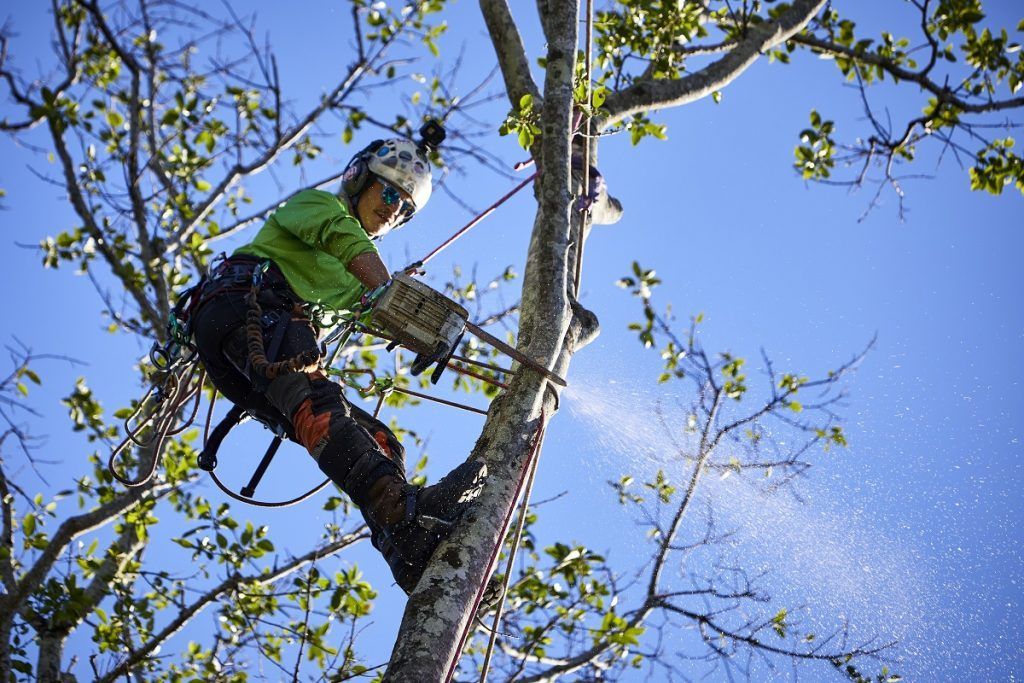
- Safe climbing techniques for tall or awkward palms
- Rigging systems to lower heavy fronds and trunk sections
- Controlled dismantling to avoid property damage
- Knowledge of different species and how they respond to cutting
- Compliance with local environmental guidelines
- Full clean-up and debris removal
Attempting to remove a palm without these skills can result in injuries, smashed roofing, broken fencing or damage to nearby gardens. A licensed arborist prevents these costly mistakes.
Identifying When a Palm Needs Removal
Not all palm issues require immediate removal, but certain conditions can signal that the tree has become unsafe or is too difficult to maintain. The signs are often subtle at first, but a professional can pick up on early indicators of instability or decay.
You may need palm tree removal on the Sunshine Coast if you notice:
- Large, dry fronds dropping regularly
- Sudden leaning or shifting of the trunk
- Visible rot around the crown or base
- Insect or pest activity inside the palm head
- Storm damage such as snapped fronds or fractured trunk sections
- Rapid height growth that makes maintenance unmanageable
- Repeated blockages in gutters from seeds or fronds
If palm trees are located near driveways, swimming pools, outdoor entertaining areas or property boundaries, even minor hazards should be addressed quickly.
How Professional Palm Tree Removal Works
Removing a palm safely involves a step-by-step approach designed to eliminate risk at each stage. Arborists follow a clear process to protect the property and ensure the tree is dismantled correctly.
1. On-site Inspection and Safety Assessment
An arborist begins by inspecting the palm’s height, condition, structural stability and surrounding environment. This includes assessing hazards such as powerlines, fences, sheds and nearby trees.
2. Planning and Equipment Setup
Palm removals require ropes, harnesses, rigging equipment and often elevated work platforms. The arborist prepares a removal plan tailored to the palm species and its location.
3. Controlled Removal of Fronds and Crown
The top section is dismantled first. Fronds are secured and lowered safely rather than simply dropped. This prevents damage to surfaces below.
4. Section-by-Section Trunk Cutting
The trunk is cut into smaller segments. Depending on access, sections may be lowered using ropes or machinery.
5. Stump Removal or Grinding
After the trunk is removed, the stump can be ground down to prevent regrowth and improve the appearance of the area.
6. Full Clean-up and Waste Disposal
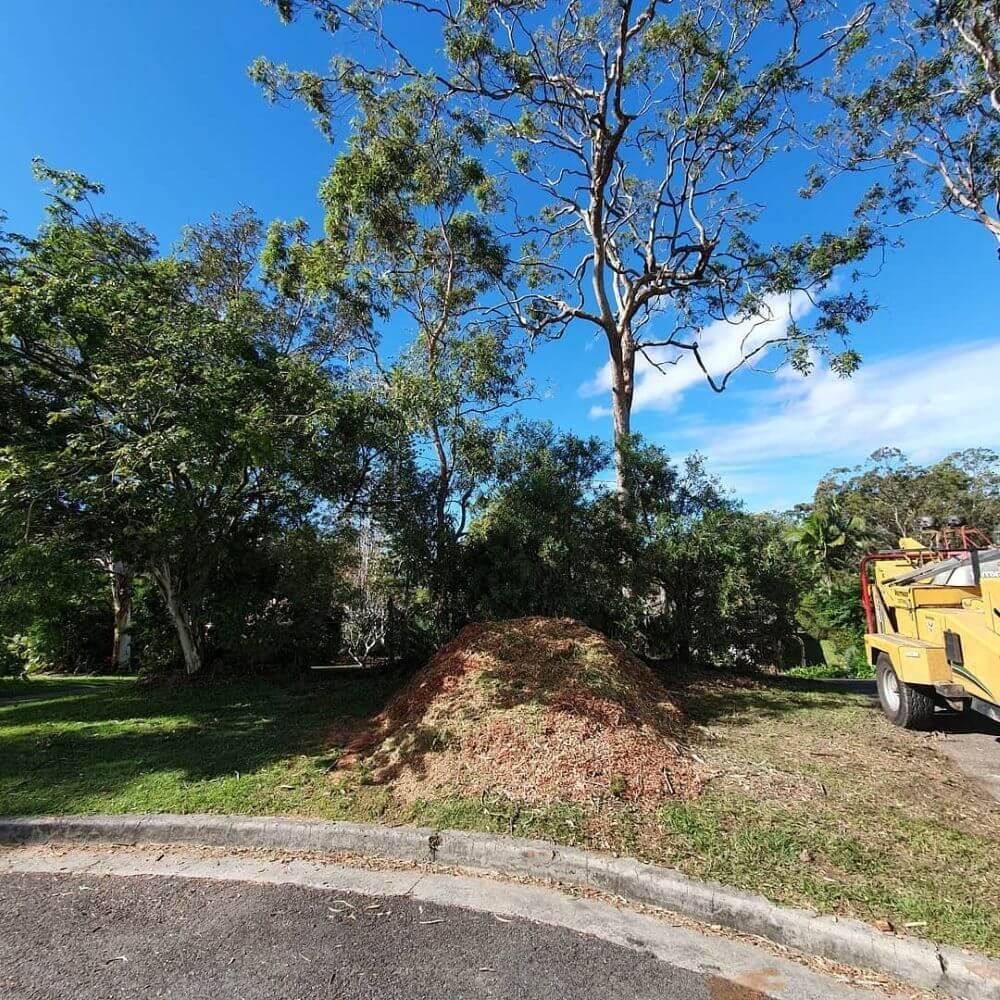
Palm waste is fibrous and bulky, requiring commercial chippers and disposal methods. A professional service ensures your yard is left clean and hazard-free.
Each part of this process requires training and precision, particularly for tall palms or those located close to structures.
The Risks of DIY Palm Tree Removal
Palm trees look deceptively simple to cut, but DIY attempts can quickly become dangerous. Homeowners often underestimate:
- The weight of individual fronds
- How far sections can swing during cutting
- The difficulty of climbing without safety equipment
- The risk of kickback when cutting dense palm trunks
- The unpredictability of storm-damaged palms
Injuries, property damage and ruined gardens are common outcomes when palm removal is attempted without expertise. Professional arborists eliminate these risks using specialised tools and safe climbing techniques.
Palm Maintenance vs Removal — Knowing the Difference
Some palms don’t need full removal. Instead, they benefit from maintenance services such as:
- Crown cleaning
- Seed pod removal
- Frond trimming
- Height reduction (for certain species)
However, palms suffering from rot, storm damage or structural instability usually require removal to avoid long-term hazards. A qualified arborist can advise on the best approach.
Why You Should Use a Professional
Palm trees are widespread across the region, from residential gardens to commercial landscapes. The coastal environment encourages rapid palm growth, but it also increases susceptibility to storms, salt exposure and decay.
Local specialists understand:
- Common palm species found across the region
- How humidity and salt affect palm health
- Seasonal weather patterns and storm risks
- Council guidelines for tree removal
- Best practices for disposal of fibrous palm waste
This local knowledge is invaluable when safety and long-term landscape health are at stake.
Palm Tree Removal on the Sunshine Coast – Safe, Professional Solutions for Your Property
At Arborclimb, we understand how quickly a palm tree can become a hazard, especially with the coastal weather conditions experienced across the Sunshine Coast. Whether you’re dealing with falling fronds, unstable trunks, storm damage or simply an overgrown palm that’s outgrown its space, our team can remove it safely and efficiently. Visit our website to arrange a professional assessment and protect your home.